
Contents15
- The short answer — Pro or standard, and three things decide it
- Basic specs of the iPhone 11 line, side by side
- CPU is A13 Bionic across the board
- Where they actually differ: camera, display, size, battery
- Choosing by use case
- If photos and video matter, take a Pro
- For immersive video and gaming, take a Pro for the OLED
- For long-form video or e-books on a large screen, take the Pro Max
- If none of the above, take the standard iPhone 11
- How the iPhone 11 stacks up against neighbouring generations
- Versus iPhone XR / Xs — a clean upgrade
- Versus the iPhone 12 line
- Cross-generation summary
- FAQ
- Wrapping up
2026 update: This was written in March 2021, when the iPhone 11 had just dropped a generation and become the obvious value pick. In 2026 the iPhone 12 / 13 and later are cheap enough on the used market that there is almost no reason to buy an iPhone 11 new. Read this as a snapshot of the 2021 buying decision. The frame — how to think about the Pro / Pro Max / standard split — still applies.
The iPhone 11 line hit its sales peak after enough time had passed for it to settle into the “last-generation bargain” slot. Three models — Pro, Pro Max, and the standard iPhone 11 — and the price gaps between them are wide enough that people get stuck on the choice.
This piece narrows the comparison down to three axes — screen size, camera, and display quality — so that by the end you know which of the three is yours.
The short answer — Pro or standard, and three things decide it
Short version: picking inside the iPhone 11 line comes down to three questions. Do you need a triple-lens camera with a telephoto? Do you need the punch of an OLED display? Do you need a 6.5-inch screen?
Flip that around, and anyone who says no to all three is fine with the standard iPhone 11. In day-to-day use the performance gap against the Pro models is almost invisible.
| Model | Screen size | Camera | Display | Price band (2021) |
|---|---|---|---|---|
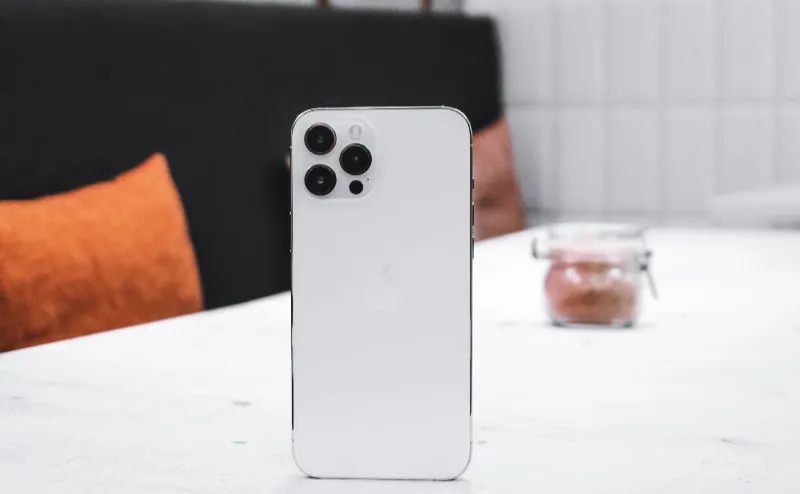
| iPhone 11 Pro Max | 6.5 inches | Triple lens (with telephoto) | OLED, HDR | High |
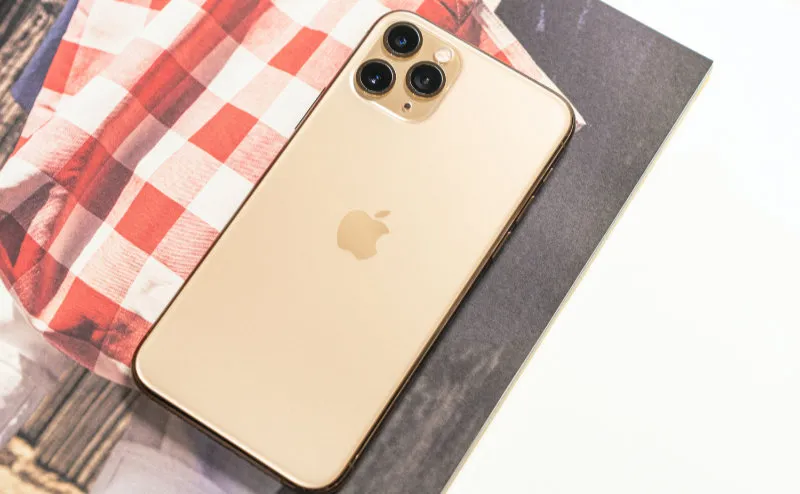
| iPhone 11 Pro | 5.8 inches | Triple lens (with telephoto) | OLED, HDR | Mid to high |
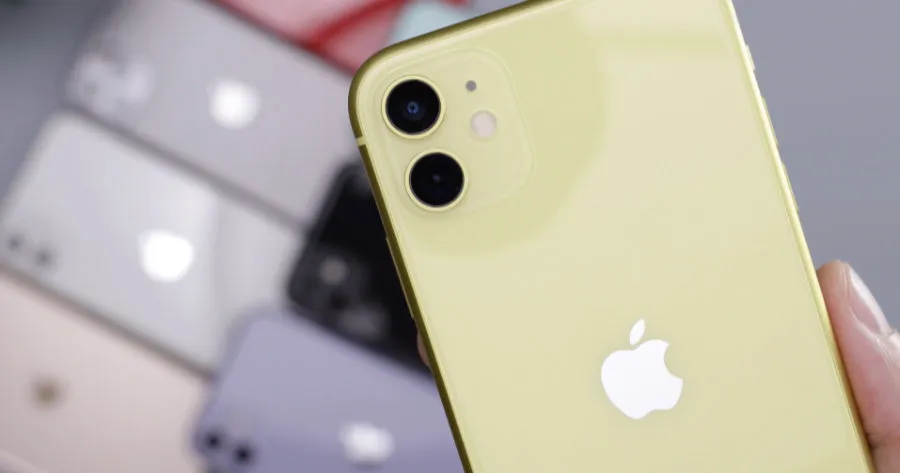
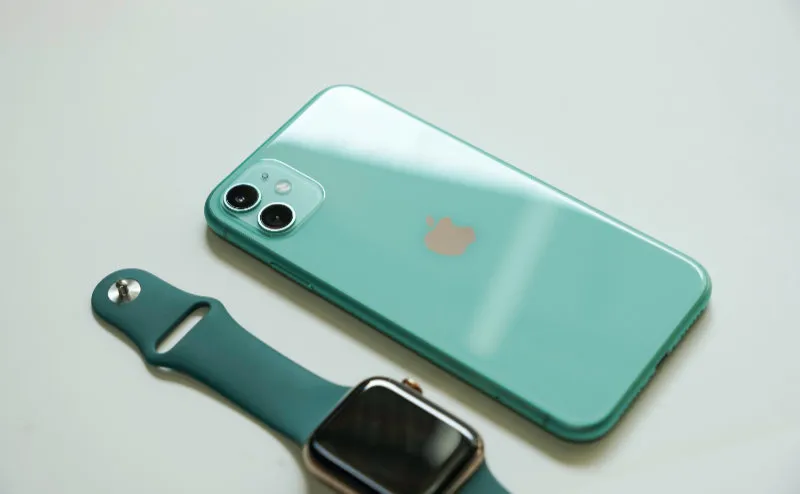
| iPhone 11 | 6.1 inches | Dual lens (wide + ultra-wide) | IPS LCD | Mid |
The use-case verdict, up front:
- Telephoto shots, low light, video — Pro line
- Vivid display for HDR video or photo editing — Pro line
- Heavy gaming use — Pro line
- The largest possible screen, period — Pro Max
- None of the above — standard iPhone 11
Basic specs of the iPhone 11 line, side by side
Short version: all three share the same SoC (A13 Bionic), so CPU performance is identical. The differences live in the camera, the display, the screen size, and the battery.
CPU is A13 Bionic across the board
Pro, Pro Max, and the standard model all carry the same A13 Bionic. For everyday use and app launches, the felt speed is basically the same.
If “the Pro feels smoother for gaming” ever lines up with reality, it tends to come from the display feel and thermal-throttling headroom under heat, not from raw CPU.
Where they actually differ: camera, display, size, battery
| Aspect | iPhone 11 Pro Max | iPhone 11 Pro | iPhone 11 |
|---|---|---|---|
| SoC | A13 Bionic | A13 Bionic | A13 Bionic |
| Screen size | 6.5 inches | 5.8 inches | 6.1 inches |
| Display | Super Retina XDR (OLED) | Super Retina XDR (OLED) | Liquid Retina (IPS LCD) |
| Camera | Triple (wide, ultra-wide, telephoto) | Triple (wide, ultra-wide, telephoto) | Dual (wide, ultra-wide) |
| Battery (rough) | Longest | Middle | Middle (some reports say the standard outlasts the Pro) |
| Weight | 226 g | 188 g | 194 g |
Read as a spec sheet alone the three look almost identical, but the telephoto lens and the OLED are the two places where the difference shows up in daily use.
Choosing by use case
Short version: if you make money on photos and video, or treat them as a serious hobby, take a Pro. If screen size is the top priority, take the Pro Max. Otherwise the standard model is fine.
If photos and video matter, take a Pro
What the triple-lens camera buys you is a 2x optical telephoto and a more reliable night mode. If you post food and travel shots to social media often, the Pro line lands closer to “actually satisfied.”
That said, 2x is only 2x. “Pull something far away in close” is not what this telephoto is for — set the expectation at “one step closer” and you won’t be disappointed.
For immersive video and gaming, take a Pro for the OLED
The Pro / Pro Max Super Retina XDR is OLED with HDR support. On a Netflix HDR title or a Dolby Vision film on Apple TV+, you can clearly feel the deeper blacks and the brighter highlights.
The Liquid Retina (IPS LCD) on the standard iPhone 11 still looks good on its own, but if HDR video is part of your daily diet, the Pro line is worth the premium.
For long-form video or e-books on a large screen, take the Pro Max
6.5 inches is the largest in the line. Good for two-page e-book spreads and for long video sessions — but 226 g is a lot to hold one-handed for any length of time. If you carry it in a pocket all day, go in with eyes open.
If none of the above, take the standard iPhone 11
If your day is mostly messaging, social media, snapshots, and video — and you don’t specifically need telephoto, HDR, or a big screen — the standard model covers it. Putting the price difference toward something else gives you more satisfaction per yen.
How the iPhone 11 stacks up against neighbouring generations
Short version: against the older models (iPhone XR / Xs) it is a clear step up thanks to A13 plus the ultra-wide camera. Against the iPhone 12 the gap is no 5G and no MagSafe.
Versus iPhone XR / Xs — a clean upgrade
- CPU goes A12 to A13, with better processing speed and power efficiency
- Adds an ultra-wide lens to the camera (XR was single, Xs was telephoto plus wide)
- Adds night mode, which is a real step up for low-light shots
Coming from an XR, the difference is obvious in everyday use. Coming from an Xs, unless you care a lot about the camera, the honest answer is “no need to rush.”
Versus the iPhone 12 line
- iPhone 12 supports 5G, iPhone 11 stops at 4G
- iPhone 12 supports MagSafe (magnetic accessories); iPhone 11 does not
- iPhone 12 is OLED across the line; on iPhone 11 only the Pro models are OLED
- The iPhone 11 is the cheaper of the two (2021)
The full breakdown is in a separate piece — how to pick an iPhone 12. The 11-vs-12 question really comes down to whether you take the price cut or the 5G + MagSafe bundle.
Cross-generation summary
| Aspect | iPhone 11 line | iPhone 12 line | iPhone Xs / XR |
|---|---|---|---|
| SoC | A13 | A14 | A12 |
| 5G | No | Yes | No |
| MagSafe | No | Yes | No |
| Ultra-wide camera | Yes (all models) | Yes (all models) | No on XR |
| OLED | Pro line only | All models | Xs only |
FAQ
Q. Is there a point in buying an iPhone 11 new in 2026? A. Almost none. Apple no longer sells it, so you would be looking at the used market anyway. If iPhone 12 / 13 sits in the same price band, prefer those for 5G and OLED. The iPhone 11 still has a place as a used pick for a secondary phone, a kid’s phone, or a “just need an iPhone” stopgap.
Q. iPhone 11 Pro or Pro Max — which one? A. Specs are identical, so decide on a single question: do you need 6.5 inches? E-books and long video sessions point to the Pro Max. One-handed comfort points to the Pro. The 38 g weight gap feels real once you actually hold both.
Q. How much does the IPS LCD on the standard iPhone 11 fall behind the Pro’s OLED? A. Side by side you can tell. Apart from that, it rarely registers. Where the gap shows up is on a true-black background (OLED fully turns off the pixels) and in HDR-video contrast. Day-to-day web browsing and social media — you won’t notice.
Q. For gaming, is there a real difference between the Pro and the standard model? A. Same A13, so frame rates are basically the same. In long sessions, there are reports that the Pro line dissipates heat better by construction. For something heavy like Genshin Impact over long stretches, the Pro line may stay more stable — about that level of difference.
Wrapping up
How to pick an iPhone 11 boils down to one question: do you need any of the three — the telephoto lens, the OLED display, or the 6.5-inch screen? If the answer to all three is no, the standard iPhone 11 is enough. If you are stepping deeper into photography, video, or gaming, go with the Pro line.
In 2021 the iPhone 11 line was a strong value pick. In 2026 the used market has it sitting next to the iPhone 12 / 13 in the same price band, so it makes sense to broaden the search a generation up rather than insisting on a new iPhone 11.
For the full comparison that includes iPhone 12, see how to pick an iPhone 12.